

Why a Steady Water Supply Keeps Your Landscape Alive in Hot, Dry Weather
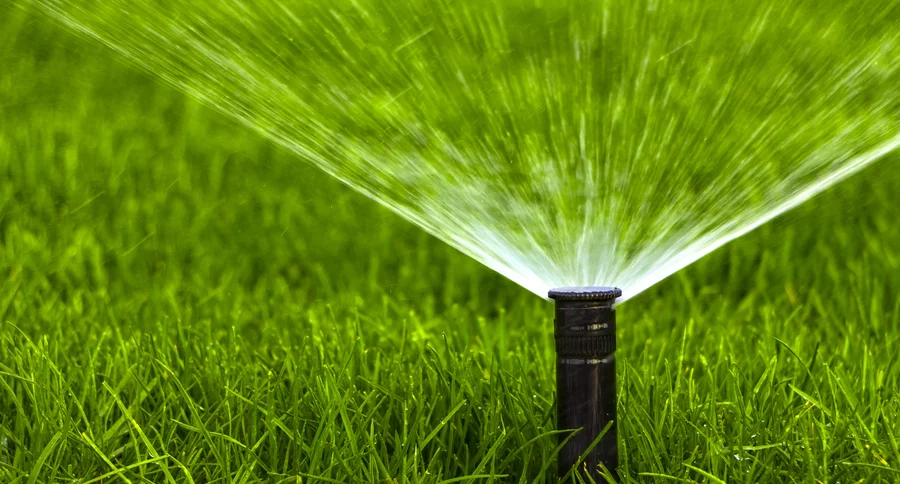
Irrigation installation protects your plants during dry spells by giving them steady, timed watering when rain is scarce. Instead of relying on a hose or hoping for a storm, a built-in system delivers the right amount of water to roots on a set schedule. This helps plants stay green, strong, and less stressed during long periods of heat.
What You Need Before Starting
Before installing a system, you need a clear plan. Not all yards are the same. Some have large lawns. Others have flower beds, shrubs, or vegetable gardens. Each area needs a different watering method.
Here are a few things to review first:

- The size of your yard
- The types of plants you have
- Your soil type (clay, sand, or loam)
- Your home’s water pressure
- Local watering rules
For example, sandy soil drains fast and needs shorter, more frequent watering. Clay soil holds water longer, so it needs slower cycles. Planning around these details makes your irrigation installation more effective.
Step-by-Step Process
A basic irrigation installation follows clear steps. While larger systems may need expert tools, the overall process looks like this:
- Design the layout. Map out sprinklers, drip lines, and zones based on plant needs.
- Separate watering zones. Lawns, flower beds, and shrubs should not share the same schedule.
- Install pipes and tubing. These carry water from the main supply to each zone.
- Add sprinkler heads or drip emitters. Sprinklers cover wide lawn areas. Drip systems water roots slowly and directly.
- Connect a timer or smart controller. This controls when and how long watering runs.
- Test the system. Check for leaks, uneven spray, or dry spots.
Once complete, the system runs automatically. During dry spells, this steady watering keeps roots moist and reduces plant shock.
Common Mistakes to Avoid
Even with good plans, mistakes can happen. These errors can waste water or harm plants.
- Overwatering and causing root rot
- Placing sprinklers too far apart
- Watering during the hottest part of the day
- Ignoring leaks or broken heads
- Using one watering schedule for all plants
For example, watering at noon during a heat wave leads to fast evaporation. Early morning is often better because more water reaches the roots.
Another common issue is failing to adjust schedules when seasons change. Plants need less water in cooler months and more during peak summer heat. A programmable controller helps manage this.
When to Call a Professional
Some irrigation installation projects are simple. Others involve trenching, electrical wiring for timers, or connecting to the main water line. That can be complex and time-consuming.
You may want expert help if:
- Your yard has slopes or uneven grades
- You notice poor water pressure
- You want a smart irrigation controller
- You are adding a large new landscape area
- You are unsure about local codes or permits
A professional system is designed for even coverage and long-term performance. It can also save water by using drip irrigation in planting beds and rotating nozzles in lawn areas.
During long dry spells, small watering mistakes add up fast. A strong system protects your investment in trees, sod, and garden plants. Healthy roots grow deeper when watered correctly. Deeper roots mean stronger plants that handle heat better.
Final Recommendation
Dry weather is hard on lawns and gardens, especially during peak summer heat in Vacaville, CA. At Baldo's Landscaping, we design irrigation installation systems that match each yard’s needs and help plants stay strong through long rain-free periods. Our team checks coverage, spacing, and scheduling so water reaches the roots where it matters most. If your landscape struggles during dry spells, call us at (707) 216-0075 and let us help protect your plants with a reliable system built for your property.